- Mon - Fri: 9:00AM - 5:30PM
- 0800 047 2610
UPVC Windows, Doors & Repairs in Gateshead, North East

Conservatories & Roofing
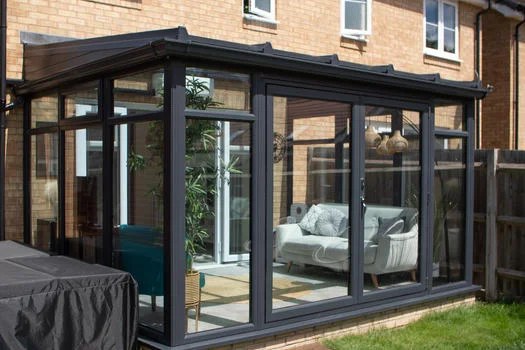
A conservatory that's too hot in summer and too cold to sit in through winter isn't doing its job, and it's one of the most common complaints we hear from homeowners across Gateshead, Newcastle, Durham and Northumberland. In a lot of cases the fix isn't a new conservatory - it's replacing the roof. We repair existing conservatories and convert draughty polycarbonate or plain glass roofs into solid, insulated warm roofs that make the room usable all year round, alongside general roofing and roof light work.
What's Included
- Conservatory repairs - leaks, seals, frame issues
- Conservatory roof replacement
- Warm roof conversions
- Roof light installation and replacement
- General conservatory roofing maintenance
- Free survey and honest advice on repair vs replacement
Ready to get started?
Free, no-obligation quotes across Gateshead, Newcastle, Durham & Northumberland.
Why Conservatories Struggle With Temperature
Most conservatories built over the last few decades were fitted with polycarbonate or plain glass roofs, chosen because they were the standard, affordable option at the time rather than because they perform well thermally. A polycarbonate roof in particular does very little to insulate the room beneath it - it lets heat pour in through direct sun in summer, turning the room into a greenhouse, and lets that same heat escape rapidly once the sun's gone and the temperature drops, which is why so many conservatories end up used for six months of the year and left as a cold, unused space for the rest.
Warm Roof Conversions: How They Work
A warm roof conversion replaces the existing polycarbonate or glass roof panels with a solid, insulated roof structure - genuinely closer to a standard house roof than a conservatory roof, built with proper insulation layered beneath a weatherproof outer finish, and typically incorporating one or more roof lights to keep natural light in the room rather than losing it entirely. The difference in usability is substantial: rooms that were previously too hot to sit in during summer afternoons and too cold to use from October through March become genuinely comfortable, all-year living space, and a lot of homeowners find the room gets used for the first time in years once the conversion's done.
It's a structural job rather than a simple panel swap - the existing roof structure needs to be assessed to confirm it can take the weight of a solid roof, since polycarbonate and glass roofs are considerably lighter than an insulated warm roof. We assess this properly at survey stage rather than assuming every conservatory frame is suitable, and we'll tell you clearly if reinforcement work is needed as part of the job.
Conservatory Repairs
Not every conservatory problem needs a full roof replacement. Leaks around the roof junctions, failed seals letting water or draughts through, and general wear on the frame are often repairable without the cost of a full conversion. We'll assess the specific problem and give you an honest view of whether a repair will genuinely resolve it, or whether the underlying roof is at a point where repairs are just delaying an inevitable replacement.
Roof Lights
Roof lights - fixed or opening glazed panels set into a solid roof - are one of the main ways a warm roof conversion keeps natural light in a room that's lost its previously all-glass or all-polycarbonate ceiling. They can be positioned to follow the sun through the day, and opening versions add ventilation without needing to rely on side windows or doors alone. We'll talk through positioning and sizing as part of the conversion design, based on how the room's used and where the light's needed most.
What a Warm Roof Is Actually Made Of
A modern warm roof conversion is built up in layers, similar in principle to a house roof: a structural frame (often lightweight steel or aluminium, sized to the specific conservatory), a layer of rigid insulation board, and a weatherproof outer covering, usually a tiled or slate-effect finish that also transforms the look of the conservatory from the outside - a lot of homeowners find the room stops looking like a conservatory at all once it's done, and reads instead as a proper extension. Internally, the same layered construction gives you a plastered, paintable ceiling rather than exposed roof panels, which changes how the room feels day to day as much as the temperature improvement does. Roof lights are set into this structure at the design stage, positioned to bring light in where it's needed rather than losing the room's connection to the sky entirely.
Guardian and Similar Warm Roof Systems
Several established manufacturers produce purpose-built warm roof systems designed specifically for retrofitting onto existing conservatory frames, engineered to keep the additional weight within what a standard conservatory base and frame can support wherever possible. We work with established systems from reputable manufacturers rather than a generic build, because a warm roof is only as good as the engineering behind it - poor detailing around junctions and roof lights is where leaks and cold spots tend to develop on a badly specified conversion.
Signs Your Conservatory Roof Needs Attention
- The room is unusable in summer due to heat, or in winter due to cold, despite heating being on
- Visible discolouration, yellowing or clouding of a polycarbonate roof
- Leaks or damp patches around roof panel junctions
- Condensation building up on the inside of the roof panels
- Cracked or damaged roof panels
Our Process
We start with a free, no-obligation survey, assessing both the conservatory itself and the existing frame's suitability for a warm roof if that's the route you're considering. You'll get a clear, itemised quote covering the roof, any structural work needed, and the fitting. Our own tradesmen carry out the work, and for a standard warm roof conversion this is typically completed within a few days depending on the size of the conservatory and the extent of any reinforcement required.
Using the Room Year-Round
The most common feedback we get from customers a few months after a warm roof conversion is simply that the room's finally being used - as a proper second reception room, a home office, a playroom, whatever it's needed for - rather than sitting as dead space for most of the year. That's really the point of the job: a conservatory that was only comfortable for a handful of weeks either side of spring and autumn becomes a room that works in January and July alike, which for a lot of households changes how much of the house actually gets lived in day to day.
Why Choose 1st Fix UPVC
A conservatory roof conversion is a significant job, and getting the structural assessment right at the start matters more here than on almost any other job we do - a warm roof fitted onto a frame that can't properly support it is a problem waiting to surface. We assess properly, tell you honestly what's involved, and carry out the work with our own experienced tradesmen rather than a subcontracted chain.
Timing Your Conversion
Conservatory roof work can be carried out at any time of year, though a lot of homeowners choose to book it in through autumn or winter specifically so the room's ready and usable by the following spring and summer, rather than losing another warm-weather season to a conservatory that's still uncomfortable. There's no wrong time to get it assessed - the sooner a survey's booked, the sooner you've got a clear timeline either way.
Areas We Cover
Conservatory repairs, warm roof conversions and roof lights across Newcastle, Gateshead, Durham and Northumberland. Call with your postcode to confirm coverage.
Frequently Asked Questions
Do I need planning permission for a warm roof conversion?
In most cases, no, since you're replacing an existing roof rather than extending the structure - we'll confirm if anything about your specific property changes that.
How long does a warm roof conversion take?
Typically a few days for a standard-size conservatory, depending on whether structural reinforcement is needed.
Will my existing conservatory frame take the weight of a solid roof?
Most frames can, sometimes with reinforcement - we assess this properly at survey stage rather than assuming.
Can I keep some glazed roof panels alongside a solid roof?
Yes - roof lights are usually incorporated into a warm roof design specifically to keep natural light in the room.
Is a warm roof conversion cheaper than a new conservatory?
Generally yes, significantly - you're keeping the existing structure, walls and base, and replacing only the roof.
My conservatory roof leaks in one specific spot - does the whole roof need replacing?
Not necessarily - a localised leak around a panel junction or seal is often repairable without a full roof replacement. We'll assess the specific cause.
Get a Free Quote
For conservatory repairs, warm roof conversions or roof lights anywhere across Newcastle, Gateshead, Durham or Northumberland, call 0800 047 2610 for a free, no-obligation quote, or see our full range of services.
WHY CHOOSE
1ST FIX UPVC
Family-run and based right here in Gateshead, we've built our reputation on straight-talking advice, tidy workmanship and fair pricing — not pushy sales tactics.

Trustworthy, Honest & Reliable
A trustworthy local company serving Gateshead, Tyne and Wear and the North East.

Experienced Tradesmen & Fitters
No fuss, no hassle — just experienced, trusted fitters and tradesmen.

Lowest Prices Around!
No costly links in the chain — just top quality service and honest advice.